

Cholerhiasis, commonly known as gallstones, affects millions globally each year. These hardened deposits form inside the gallbladder when bile components crystallize. Understanding this condition helps patients seek timely medical intervention and prevent serious complications.
This comprehensive guide covers everything about cholerhiasis, from causes to treatment options. Whether you’re experiencing symptoms or seeking preventive measures, this article provides essential information. Learn how lifestyle modifications and medical treatments can effectively manage this common digestive disorder.
What Causes Cholerhiasis?
Cholerhiasis develops when bile contains excessive cholesterol, bilirubin, or insufficient bile salts. These imbalances cause crystals to form and gradually develop into stones. Obesity, rapid weight loss, and high-fat diets significantly increase risk factors for stone formation.
Genetic predisposition plays a crucial role in gallstone development alongside hormonal changes. Pregnancy, hormone replacement therapy, and birth control pills elevate cholesterol levels in bile. Certain medical conditions like diabetes, liver disease, and blood disorders also contribute to cholerhiasis formation.
Symptoms of Cholerhiasis
Many people with cholerhiasis remain asymptomatic for years until stones obstruct bile ducts. Sudden, intense pain in the upper right abdomen, known as biliary colic, indicates stone movement. This pain often radiates to the back or right shoulder blade area.
Additional symptoms include nausea, vomiting, fever, and jaundice when complications arise. Bloating, indigestion, and discomfort after eating fatty meals are common warning signs. If you experience persistent abdominal pain lasting several hours, seek immediate medical evaluation for proper diagnosis.
How Is Cholerhiasis Diagnosed?
Doctors diagnose cholerhiasis through ultrasound imaging, the most accurate non-invasive method. This procedure visualizes gallstones and assesses gallbladder inflammation effectively. Blood tests reveal elevated liver enzymes, bilirubin levels, and signs of infection or obstruction.
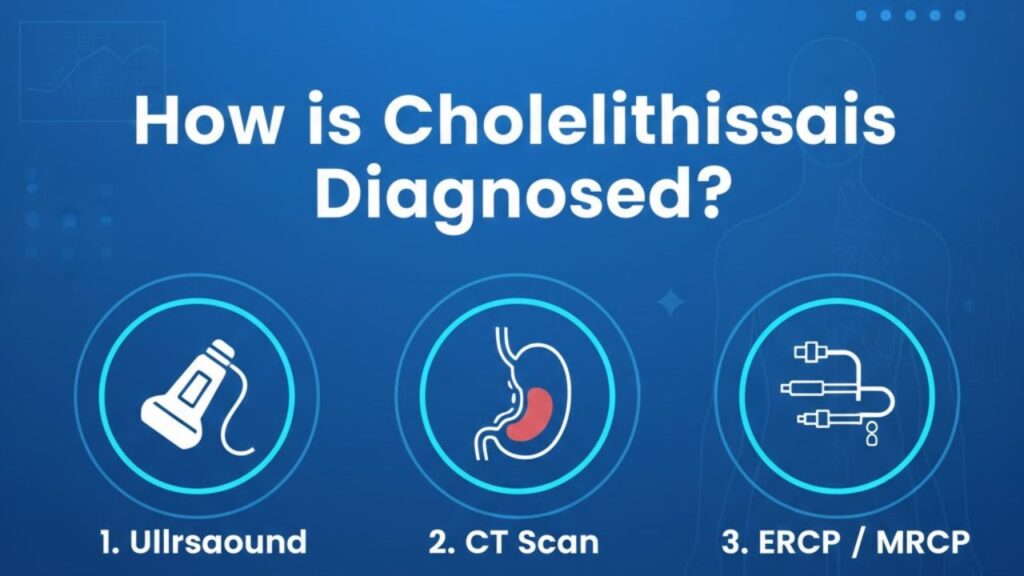
Additional diagnostic tools include CT scans, MRI, and HIDA scans for complex cases. Endoscopic retrograde cholangiopancreatography (ERCP) helps visualize bile ducts and remove obstructing stones. These comprehensive diagnostic approaches ensure accurate identification and appropriate treatment planning for cholerhiasis patients.
Treatment Options for Cholerhiasis
Cholecystectomy, or surgical gallbladder removal, remains the gold standard for symptomatic cholerhiasis. Laparoscopic surgery offers minimal scarring, faster recovery, and reduced complications compared to open procedures. Most patients resume normal activities within one to two weeks post-surgery.
Non-surgical options include ursodeoxycholic acid therapy for dissolving small cholesterol stones over months. Extracorporeal shock wave lithotripsy breaks larger stones into smaller fragments for easier passage. However, these methods work only for specific stone types and carry higher recurrence rates.
Gallbladder Stone Causes
Gallbladder stones form primarily due to cholesterol supersaturation in bile composition. When the liver secretes excess cholesterol that bile cannot dissolve, crystallization occurs. This process accelerates with inadequate gallbladder emptying and bile stasis within the organ.
Risk factors include obesity, female gender, age over forty, and ethnic background. Rapid weight loss through crash dieting or bariatric surgery triggers stone formation. Inflammatory bowel disease, metabolic syndrome, and prolonged fasting also increase susceptibility to developing gallbladder stones significantly.
Gallbladder Stones Treatment
Modern gallbladder stones treatment prioritizes symptom severity and complication risks before intervention. Asymptomatic stones often require only watchful waiting with regular monitoring appointments. Laparoscopic cholecystectomy effectively eliminates recurrent pain and prevents future complications permanently.
For patients unable to undergo surgery, endoscopic stone extraction provides alternative relief. Oral dissolution therapy with bile acids works slowly but avoids surgical risks. Dietary modifications reducing fat intake and maintaining healthy weight support long-term gallbladder health post-treatment.
Gallstones Symptoms Female Bloating
Women experience gallstones symptoms including persistent bloating, especially after consuming fatty foods. Hormonal fluctuations during menstruation, pregnancy, or menopause exacerbate digestive discomfort significantly. Abdominal distension accompanied by gas and belching indicates possible gallbladder dysfunction.
Female patients often report upper abdominal fullness that worsens throughout the day. Bloating combined with nausea, heartburn, and irregular bowel movements suggests cholerhiasis. These symptoms frequently overlap with irritable bowel syndrome, making accurate diagnosis essential for appropriate treatment selection.
Cholelithiasis Table
| Aspect | Details |
| Definition | Hardened deposits forming in gallbladder |
| Types | Cholesterol stones, Pigment stones, Mixed stones |
| Common Symptoms | Abdominal pain, Nausea, Bloating, Jaundice |
| Risk Factors | Obesity, Female gender, Age 40+, Genetics |
| Diagnosis Methods | Ultrasound, CT scan, MRI, Blood tests |
| Treatment Options | Cholecystectomy, Medication, Lithotripsy |
| Complications | Cholecystitis, Pancreatitis, Bile duct obstruction |
| Prevention | Healthy diet, Regular exercise, Gradual weight loss |
Silent Gallstones Symptoms
Silent gallstones produce no noticeable symptoms despite their presence in the gallbladder. Approximately 80% of people with cholerhiasis remain asymptomatic throughout their lives. These stones are typically discovered incidentally during imaging tests for unrelated conditions.
Occasionally, silent stones cause vague digestive discomfort mistaken for other conditions. Mild bloating, occasional indigestion, or subtle upper abdominal pressure may occur. Most doctors recommend observation rather than intervention unless symptoms develop or complications arise from asymptomatic gallstones.
Gallbladder Stone Symptoms
Gallbladder stone symptoms manifest as sudden, severe pain in the upper right abdomen. This characteristic biliary colic lasts from minutes to several hours without relief. Pain intensity increases rapidly after eating high-fat meals or during nighttime hours.
Associated symptoms include nausea, vomiting, fever, and clay-colored stools indicating bile obstruction. Jaundice develops when stones block bile ducts, causing yellow skin discoloration. Persistent symptoms lasting beyond six hours require emergency medical attention to prevent serious complications like cholecystitis or pancreatitis.
Cholelithiasis Treatment Without Surgery
Cholelithiasis treatment without surgery includes oral dissolution therapy using ursodeoxycholic acid. This medication slowly dissolves small cholesterol stones over 6-24 months of continuous use. Success rates remain limited, and stone recurrence occurs frequently after treatment discontinuation.
Extracorporeal shock wave lithotripsy fragments stones using focused sound waves externally. Dietary management emphasizing low-fat meals and adequate hydration supports natural stone prevention. However, non-surgical approaches suit only carefully selected patients with specific stone characteristics and mild symptomatology.
Cholelithiasis Treatment Guidelines
Current cholelithiasis treatment guidelines recommend laparoscopic cholecystectomy for symptomatic patients. International medical societies endorse early surgical intervention to prevent complications and improve quality of life. Asymptomatic patients generally don’t require treatment unless high-risk factors exist.
Guidelines emphasize comprehensive preoperative assessment including imaging and laboratory tests. Antibiotic prophylaxis is recommended for complicated cases involving infection or inflammation. Post-operative care includes gradual dietary reintroduction and monitoring for potential complications like bile duct injury or infection.
Complications of Untreated Cholerhiasis
Untreated cholerhiasis can lead to acute cholecystitis, a severe gallbladder inflammation requiring emergency intervention. Stone migration into bile ducts causes obstructive jaundice and potentially life-threatening ascending cholangitis. These complications significantly increase morbidity and treatment complexity compared to elective surgery.
Gallstone pancreatitis occurs when stones obstruct the pancreatic duct, causing dangerous inflammation. Chronic inflammation may lead to gallbladder perforation, abscess formation, or fistula development. Long-term untreated cholerhiasis slightly increases gallbladder cancer risk, though this complication remains relatively rare overall.
Preventing Cholerhiasis
Preventing cholerhiasis requires maintaining healthy body weight through balanced nutrition and regular exercise. Gradual weight loss prevents rapid cholesterol fluctuations that trigger stone formation. Consuming adequate fiber, limiting saturated fats, and staying hydrated supports optimal bile composition.
Regular physical activity improves gallbladder motility and reduces stone formation risk significantly. Avoiding prolonged fasting and eating regular meals maintains consistent bile flow. Women should discuss hormone therapy risks with healthcare providers, considering alternatives when appropriate for cholerhiasis prevention.
Frequently Asked Questions
What exactly is cholerhiasis?
Cholerhiasis is the medical term for gallstones, which are hardened deposits forming inside the gallbladder from crystallized bile components.
Can cholerhiasis go away without treatment?
Most cholerhiasis cases require medical intervention; stones rarely dissolve naturally and often cause complications if left untreated long-term.
What foods should I avoid with cholerhiasis?
People with cholerhiasis should limit high-fat foods, fried items, processed meats, and full-fat dairy to minimize symptom triggering.
Is cholerhiasis surgery dangerous?
Cholerhiasis surgery, particularly laparoscopic cholecystectomy, is generally safe with low complication rates and excellent long-term outcomes for patients.
How long is recovery after cholerhiasis surgery?
Recovery from cholerhiasis surgery typically takes 1-2 weeks for laparoscopic procedures, with most patients resuming normal activities quickly.
Can cholerhiasis affect pregnancy?
Cholerhiasis during pregnancy increases complication risks; management requires careful monitoring and selective treatment timing by specialists for safety.
What are the warning signs of cholerhiasis?
Severe upper right abdominal pain, cholerhiasis symptoms include nausea, vomiting, fever, and jaundice requiring immediate medical evaluation always.
Conclusion
Cholerhiasis represents a common yet manageable digestive condition affecting millions worldwide annually. Understanding causes, recognizing symptoms early, and seeking appropriate treatment prevents serious complications effectively.
Modern medical advances offer excellent outcomes for cholerhiasis patients through minimally invasive procedures and comprehensive care approaches.
