

The word Qalb holds profound spiritual significance in Islam, representing far more than just the physical organ beating in our chest. Understanding Qalb meaning connects us to the very essence of faith, spirituality, and our relationship with Allah. This Arabic term appears frequently throughout the Quran, emphasizing the heart’s central role in belief, righteousness, and moral consciousness.
Qalb meaning transcends simple translation,it encompasses our emotions, intellect, intentions, and soul’s condition. When we explore this concept, we unlock deeper insights into Islamic teachings about purification, faith, and spiritual transformation. Whether you’re studying Arabic, deepening your Islamic knowledge, or seeking spiritual growth, grasping the true essence of Qalb enriches your entire faith journey and daily worship practices.
Meaning & Definition
The Qalb represents the spiritual heart in Islamic tradition, serving as the center of human consciousness, emotion, and moral decision-making.
Key Points About Qalb:
- Qalb (قلب) literally translates to “heart” but encompasses spiritual, emotional, and intellectual dimensions beyond the physical organ
- Functions as the seat of faith (iman), intention (niyyah), and spiritual awareness in Islamic theology and practice
- Acts as the container for divine knowledge, understanding, and the ability to recognize truth from falsehood clearly
- Undergoes constant fluctuation between righteousness and sin, requiring continuous purification and spiritual maintenance through worship
- Represents the aspect of humanity that Allah examines on Judgment Day, making its condition paramount for eternal success
| Aspect | Description |
| Arabic Term | قلب (Qalb) |
| Literal Meaning | Heart, core, essence |
| Spiritual Significance | Center of faith and consciousness |
| Quranic Mentions | Over 130 references |
| Primary Function | Spiritual perception and moral judgment |
Real Chat Example:
Student: “What makes Qalb different from the physical heart?”
Teacher: “The physical heart pumps blood, but Qalb perceives spiritual truths, feels remorse, experiences faith, and connects with Allah through sincere devotion.”
The Meaning of Qalb
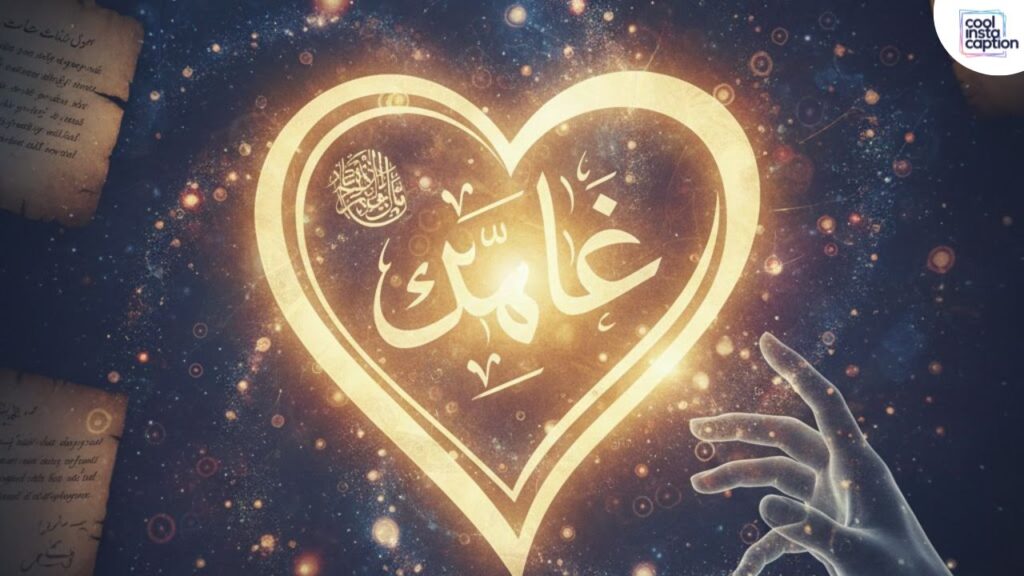
Qalb embodies the innermost essence where belief, doubt, sincerity, and hypocrisy reside within every human being created by Allah.
Essential Understanding:
- The Qalb serves as the throne of iman (faith) where acceptance or rejection of divine truth takes root and flourishes
- Contains both cognitive and emotional capacities, blending reason with feeling to form complete spiritual understanding and awareness
- Allah directly addresses the Qalb through revelation, making it the receptor for divine guidance, wisdom, and enlightenment
- Can become diseased through sins, hardened through neglect, or purified through remembrance (dhikr) and righteous actions consistently performed
- The Prophet Muhammad taught that the body’s righteousness depends entirely on the Qalb’s condition and spiritual health
| Qalb Condition | Characteristics | Outcome |
| Healthy (Saleem) | Pure, sincere, devoted | Paradise |
| Diseased (Mareed) | Doubtful, hypocritical | Spiritual struggle |
| Sealed (Mutaba) | Closed to truth | Misguidance |
| Hard (Qasiyah) | Unresponsive, insensitive | Distance from Allah |
Real Chat Example:
Seeker: “How do I know my Qalb’s condition?”
Scholar: “Check your response to Quran recitation, ease in prayer, remorse after sin, and love for righteous deeds,these reflect your Qalb’s spiritual health directly.”
Types of Hearts in the Quran
The Quran categorizes hearts into distinct types based on their spiritual condition, receptivity to truth, and relationship with divine guidance.
Quranic Heart Categories:
- Sound Heart (Qalbun Saleem): The ideal heart, free from spiritual diseases, pure in intention, and wholly submitted to Allah’s will
- Living Heart (Qalbun Hayy): Responsive to divine reminders, affected by Quranic verses, and actively seeking spiritual growth and refinement
- Dead Heart (Qalbun Mayyit): Completely unresponsive to truth, devoid of faith, and incapable of recognizing divine signs around them
- Sealed Heart (Qalbun Mutaba): Locked by persistent disbelief, preventing guidance from entering and truth from being perceived or accepted
- Diseased Heart (Qalbun Mareed): Afflicted with doubts, hypocrisy, desires, or spiritual ailments that compromise faith and sincerity
| Heart Type | Arabic Term | Quranic Reference | Spiritual State |
| Sound | قلب سليم | 26:89 | Pure, sincere |
| Living | قلب حي | Multiple verses | Responsive, aware |
| Dead | قلب ميت | 22:46 | Unresponsive, heedless |
| Sealed | قلب مطبوع | 2:7 | Closed to guidance |
| Diseased | قلب مريض | 2:10 | Afflicted, doubtful |
Real Chat Example:
Believer: “Can a dead heart come back to life?”
Teacher: “Yes! Through sincere repentance (tawbah), consistent dhikr, Quran recitation, and good company, Allah can revive any heart willing to turn toward Him.”
1. The Sealed Heart
The sealed heart (Qalbun Mutaba) represents a spiritual condition where truth cannot penetrate due to persistent rejection and arrogance toward divine guidance.
Allah describes this condition in Surah Al-Baqarah (2:7): “Allah has set a seal upon their hearts and upon their hearing, and over their vision is a veil.” This sealing occurs as a consequence of willful disbelief, not as arbitrary divine punishment but as natural spiritual consequence.
Characteristics of Sealed Hearts:
- Persistent rejection of clear signs (ayat) and prophetic teachings despite overwhelming evidence and rational proof presented repeatedly
- Inability to comprehend spiritual truths, even when explained with clarity, simplicity, and undeniable logical reasoning accessible to all
- Arrogance and pride preventing submission to Allah, preferring worldly status over eternal salvation and divine pleasure beyond measure
- Attachment to falsehood becomes so strong that truth appears as lies and reality becomes distorted in perception completely
- Loss of spiritual sensitivity to reminders, warnings, and divine mercy extended continuously despite repeated rejection and rebellion
- The heart becomes like hardened stone, impenetrable to light, guidance, wisdom, and the transformative power of divine revelation
| Cause | Effect | Quranic Warning |
| Persistent disbelief | Spiritual blindness | “They have hearts but understand not” (7:179) |
| Rejecting prophets | Divine sealing | “Allah sealed their hearts” (9:87) |
| Arrogance | Inability to accept truth | “Those who are arrogant” (40:35) |
| Following desires | Deviation from guidance | “Who is more astray?” (25:43) |
Real Chat Example:
Questioner: “Is the sealing permanent?”
Scholar: “While severe, sincere repentance before death can break the seal. Allah’s mercy encompasses everything, but one must actively turn toward Him with genuine remorse and determination.”
2. The Sick Heart
The sick heart (Qalbun Mareed) suffers from spiritual diseases like hypocrisy, doubt, lust, envy, and attachment to worldly pleasures over divine commands.
This condition appears in Surah Al-Baqarah (2:10): “In their hearts is disease, so Allah has increased their disease.” The sickness manifests through inconsistency in faith, weakness in worship, and susceptibility to sins that healthy hearts naturally resist.
Symptoms of Heart Sickness:
- Hypocrisy (nifaq): Outward display of faith while harboring doubt, insincerity, or disbelief in the heart’s innermost chambers secretly
- Excessive love for dunya (worldly life): Prioritizing material gains, status, and temporary pleasures over eternal success and divine approval
- Envy (hasad): Resenting others’ blessings instead of feeling contentment with Allah’s decree and distribution of provisions and favors
- Doubt (shakk): Wavering faith that fluctuates with circumstances rather than remaining steadfast on truth regardless of trials faced
- Lust and desires: Uncontrolled passions that override moral boundaries, leading to prohibited actions and spiritual degradation progressively
- Difficulty in worship: Prayers feel burdensome, Quran recitation lacks sweetness, and righteous deeds seem heavy and unrewarding
| Spiritual Disease | Manifestation | Treatment |
| Hypocrisy | Double standards, insincerity | Sincere intention, self-accountability |
| Worldliness | Excessive materialism | Remembrance of death, charity |
| Envy | Resentment of others’ success | Gratitude, supplication for others |
| Doubt | Weak conviction | Knowledge, reflection on signs |
| Lust | Following base desires | Fasting, lowering gaze, marriage |
Real Chat Example:
Concerned Muslim: “How do I cure my heart’s sickness?”
Imam: “Start with sincere tawbah, increase dhikr, study Quran with understanding, keep righteous company, and consistently perform the five daily prayers with presence (khushu).”
3. The Faithful Hearts
The faithful hearts (Qulubul Mu’mineen) represent hearts filled with iman, characterized by love for Allah, submission to His commands, and spiritual enlightenment.
Allah describes them in Surah Al-Anfal (8:2): “The believers are only those who, when Allah is mentioned, their hearts become fearful, and when His verses are recited to them, it increases them in faith.”
Qualities of Faithful Hearts:
- Reverence (khashyah) for Allah that manifests through humility, awe, and conscious awareness of His majesty and constant observation
- Trust (tawakkul) in divine decree, accepting trials with patience and blessings with gratitude, recognizing Allah’s wisdom in everything
- Love for worship: Finding joy and tranquility in prayer, fasting, Quran recitation, and all forms of obedience to divine commands
- Compassion (rahmah): Mercy toward Allah’s creation, kindness to people, animals, and the environment, reflecting divine mercy received
- Consistency: Steadfastness in righteousness during ease and hardship, maintaining faith regardless of changing circumstances and worldly conditions
- Responsiveness: Hearts that soften with Quranic recitation, shed tears from divine remembrance, and quicken toward righteous deeds immediately
| Faithful Heart Trait | Quranic Evidence | Practical Expression |
| Fear of Allah | “Hearts tremble” (8:2) | Avoiding sins, seeking forgiveness |
| Increased Faith | “It increases them in faith” (8:2) | Growth through Quran study |
| Satisfaction | “Hearts find rest in remembrance” (13:28) | Peace through dhikr |
| Patience | “Give good news to the patient” (2:155) | Endurance in trials |
| Gratitude | “If you are grateful” (14:7) | Thankfulness in blessings |
Real Chat Example:
Student: “How can I develop a faithful heart?”
Teacher: “Strengthen your relationship with Quran, maintain regular night prayers (tahajjud), make abundant dhikr, keep righteous companions, and constantly seek Allah’s forgiveness and guidance.”
4. The Reassured Hearts
The reassured hearts (Qalbun Mutma’innah) achieve the highest spiritual station, characterized by complete tranquility, certainty in faith, and total submission to Allah.
This exalted state is mentioned in Surah Al-Fajr (89:27-28): “O reassured soul, return to your Lord, well-pleased and pleasing [to Him].” These hearts have transcended spiritual struggles through unwavering trust and deep connection with their Creator.
Characteristics of Reassured Hearts:
- Complete certainty (yaqeen): Absolute conviction in Allah’s existence, wisdom, mercy, and justice without any trace of doubt remaining
- Inner peace (sakinah): Profound tranquility that remains unshaken by worldly turmoil, loss, trials, or the chaos surrounding them
- Contentment (rida): Satisfaction with Allah’s decree in all circumstances, accepting both ease and hardship with equanimity and grace
- Spiritual independence: Freedom from attachment to creation, finding sufficiency in Allah alone for all needs, emotional and material
- Excellence in worship (ihsan): Worshipping Allah as if seeing Him, with complete presence, sincerity, and devotion in every action
- Preparation for return: These hearts are ready to meet Allah, having fulfilled their purpose and purified themselves completely
| Spiritual Level | Heart State | Divine Recognition |
| Basic | Submitting Islam | Acceptance |
| Intermediate | Believing Iman | Reward |
| Advanced | Faithful Mu’min | Divine love |
| Highest | Reassured Mutma’innah | Divine pleasure |
Real Chat Example:
Seeker: “How do I reach this level of reassurance?”
Sheikh: “Through decades of consistent worship, deep Quranic reflection, abundant remembrance, overcoming trials with patience, and Allah’s special mercy,it’s a divine gift to sincere seekers.”
Qalb Meaning in English Urdu
The Qalb meaning translates differently across languages, with English rendering it as “heart” and Urdu as “دل” (dil), both encompassing spiritual dimensions.
Linguistic Understanding:
- English translation: “Heart” captures the spiritual, emotional, and cognitive center but lacks the comprehensive Islamic spiritual nuance of Qalb
- Urdu equivalent: “دل” (dil) closely parallels the Arabic Qalb, carrying similar spiritual, emotional, and metaphysical connotations in Islamic culture
- Both languages recognize the heart as more than physical, representing the soul’s seat, consciousness, and the center of human morality
- In Islamic discourse, Qalb specifically refers to the spiritual heart that Allah judges, distinct from the physical cardiac muscle
- Understanding Qalb in multiple languages enriches spiritual vocabulary and helps Muslims from diverse backgrounds connect with Islamic teachings authentically
| Language | Term | Script | Spiritual Scope |
| Arabic | Qalb | قلب | Complete spiritual heart concept |
| English | Heart | Heart | Emotional and spiritual center |
| Urdu | Dil | دل | Spiritual and emotional essence |
| Persian | Del | دل | Soul’s center, conscience |
Real Chat Example:
Learner: “Is there difference between ‘heart’ and Qalb?”
Teacher: “English ‘heart’ often means emotions, but Qalb encompasses faith, intention, consciousness, moral judgment, and spiritual perception,it’s far more comprehensive in Islamic understanding.”
Qalb Meaning in English with Example
Qalb meaning in English extends beyond literal translation, requiring contextual examples to grasp its full spiritual, emotional, and cognitive implications.
Contextual Examples:
- Spiritual context: “His Qalb was filled with faith and love for Allah” demonstrates the heart as the container of iman and devotion
- Moral context: “She made the decision with a pure Qalb” shows how the heart guides ethical choices and sincere intentions
- Emotional context: “The Quran softened his Qalb and he wept” illustrates the heart’s responsiveness to divine revelation and spiritual truth
- Cognitive context: “Those with understanding Qalb comprehend Allah’s signs” reveals the heart’s role in spiritual perception and wisdom
- Devotional context: “Establish prayer to purify your Qalb” demonstrates how worship cleanses and transforms the spiritual heart
| Usage Context | Example Sentence | Spiritual Lesson |
| Faith | “Iman resides in the Qalb” | Heart as faith’s home |
| Sincerity | “Allah sees the Qalb, not appearances” | Importance of intention |
| Purification | “Purify your Qalb through dhikr” | Spiritual cleansing method |
| Judgment | “On Judgment Day, only pure Qalb succeeds” | Ultimate accountability |
| Transformation | “Repentance heals a diseased Qalb” | Hope for spiritual renewal |
Real Chat Example:
Student: “Can you use Qalb in a sentence?”
Teacher: “When you pray with full concentration, your Qalb connects with Allah. Or: A sincere Qalb is more valuable than a thousand insincere actions.”
Qalb Meaning in Arabic
In Arabic, قلب (Qalb) carries profound linguistic roots meaning “to turn” or “to transform,” reflecting the heart’s changeable nature and spiritual dynamism.
Arabic Linguistic Analysis:
- Root letters ق-ل-ب (q-l-b) form verbs meaning “to turn over,” “to flip,” or “to transform,” symbolizing the heart’s fluctuating states
- The word Qalb derives from this root because the spiritual heart constantly turns between guidance and misguidance, faith and doubt
- In classical Arabic poetry and prose, Qalb represents the seat of emotions, intellect, courage, and spiritual consciousness simultaneously
- Quranic usage elevates Qalb beyond literary tradition, establishing it as the theological center of human spiritual accountability and divine judgment
- Arabic linguistic richness allows Qalb to convey depths impossible in translation,the core, essence, innermost reality of human existence
| Arabic Form | Meaning | Spiritual Significance |
| قلب (Qalb) | Heart, core | Spiritual center |
| قَلَبَ (Qalaba) | To turn, flip | Heart’s changeability |
| تَقَلُّب (Taqallub) | Fluctuation | Spiritual instability |
| قُلُوب (Qulub) | Hearts (plural) | Collective spiritual state |
| قَلْبِي (Qalbi) | My heart | Personal spiritual possession |
Real Chat Example:
Arabic student: “Why is it called Qalb?”
Teacher: “The root means ‘to turn’ because the spiritual heart constantly fluctuates. The Prophet ﷺ said: ‘The hearts are between Allah’s fingers, He turns them as He wills.'”
Heart Qalb Meaning in English
Heart in English approximates Qalb but lacks the comprehensive Islamic spiritual framework encompassing faith, intention, moral compass, and divine accountability.
Comparative Understanding:
- English “heart” primarily denotes emotions and feelings, while Islamic Qalb includes intellect, faith, consciousness, and spiritual perception together
- Western philosophy often separates heart (emotion) from mind (reason), but Qalb integrates both into unified spiritual consciousness and awareness
- In Islamic theology, Qalb is the throne of faith (iman), the vessel for divine knowledge, and the aspect examined on Judgment Day
- The physical heart pumps blood; the spiritual Qalb perceives truth, experiences remorse, feels divine presence, and determines eternal destiny
- Understanding this distinction helps English speakers grasp that when Quran mentions Qalb, it addresses something far deeper than mere sentiment
| Aspect | English “Heart” | Islamic “Qalb” |
| Primary Association | Emotions, feelings | Faith, consciousness, spirituality |
| Philosophical Scope | Often separated from mind | Integrates emotion and intellect |
| Spiritual Function | Symbolic of love, compassion | Center of faith and moral judgment |
| Religious Significance | Metaphorical in most contexts | Literal spiritual reality |
| Eternal Consequence | Not judged | Determines Paradise or Hell |
Real Chat Example:
Convert: “I thought heart just meant emotions?”
Teacher: “In Islam, Qalb is your spiritual core where faith lives, intentions form, truth is recognized, sins affect you, and where Allah looks on Judgment Day,far beyond feelings.”
Qalb Meaning in English Arabic
Bilingual understanding of Qalb bridges Arabic spiritual precision with English accessibility, enriching comprehension for diverse Muslim communities worldwide.
Cross-Linguistic Insights:
- Arabic precision: قلب (Qalb) carries theological weight established through 1,400 years of Islamic scholarship, Quranic exegesis, and spiritual tradition
- English approximation: “Heart” serves as functional translation but requires additional explanation to convey the full spiritual, cognitive, emotional dimensions
- Transliteration usage: Many English Islamic texts preserve “Qalb” untranslated, recognizing that direct translation loses essential spiritual meaning and depth
- Contextual clarity: Effective Islamic education in English often uses “spiritual heart” or “Qalb (heart)” to maintain theological accuracy and precision
- Cultural bridging: Understanding both linguistic dimensions helps Muslims communicate Islamic spirituality across language barriers and cultural contexts authentically
| Expression | Arabic | English Equivalent | Full Meaning |
| Qalbun Saleem | قلب سليم | Sound heart | Pure, sincere, devoted to Allah |
| Qalbun Mareed | قلب مريض | Diseased heart | Afflicted with spiritual ailments |
| Qalbun Qaasiy | قلب قاسي | Hardened heart | Unresponsive to divine guidance |
| Tatheer al-Qalb | تطهير القلب | Purification of heart | Spiritual cleansing process |
| Dhikr al-Qalb | ذكر القلب | Remembrance of heart | Internal divine consciousness |
Real Chat Example:
Bilingual student: “Should I say ‘heart’ or ‘Qalb’ when teaching?”
Scholar: “Use both! Say ‘Qalb or spiritual heart‘ initially, then alternate. This preserves Arabic authenticity while ensuring English speakers grasp the full spiritual concept clearly.”
Qalb Meaning in Islam
In Islam, Qalb represents the spiritual epicenter determining eternal destiny, moral character, relationship with Allah, and the essence of human consciousness.
Islamic Theological Framework:
- The Qalb serves as the throne where faith (iman) resides, grows stronger through righteous deeds, or weakens through sins
- Prophet Muhammad ﷺ stated: “There is a piece of flesh in the body, if it is sound, the whole body is sound; if corrupt, the whole body is corrupt,that is the Qalb“
- Islamic spirituality centers on Qalb purification (tazkiyah), recognizing that outward worship means nothing without inner sincerity and purity
- The Qalb is the only aspect Allah examines on Judgment Day,wealth, appearance, lineage become irrelevant; only heart condition matters eternally
- Entire Islamic sciences like Tasawwuf (Sufism) focus exclusively on heart purification, spiritual diseases, and achieving divine closeness through Qalb refinement
| Islamic Dimension | Qalb’s Role | Evidence |
| Faith (Iman) | Container and throne | “Iman is in the heart” (Hadith) |
| Intention (Niyyah) | Source of sincerity | “Actions are by intentions” (Hadith) |
| Judgment | Criterion of success | “That Day neither wealth nor children benefit, except pure heart” (26:88-89) |
| Worship | Determines acceptance | “Allah does not look at your bodies but at your hearts” (Hadith) |
| Spirituality | Path to divine closeness | “Hearts find rest in Allah’s remembrance” (13:28) |
Real Chat Example:
Seeker: “Why does Islam focus so much on the heart?”
Teacher: “Because external actions without sincere Qalb are empty rituals. Allah judges your true intentions, faith quality, and heart’s purity,not just outward appearance or performance.”
Qalb Meaning in Quran
The Quran mentions Qalb and its plural Qulub over 130 times, establishing the heart as central to faith, guidance, spiritual success, and eternal salvation.
Quranic References and Themes:
- Spiritual perception: “They have hearts but understand not with them” (7:179) reveals the Qalb as the organ of spiritual comprehension and truth recognition
- Divine sealing: “Allah has set a seal upon their hearts” (2:7) shows consequences of persistent disbelief and willful rejection of guidance
- Faith’s home: “And whose hearts are reassured by the remembrance of Allah” (13:28) establishes dhikr as heart’s nourishment and tranquility source
- Judgment criterion: “The Day when neither wealth nor children benefit, except one who comes to Allah with a sound heart” (26:88-89) defines eternal success
- Responsive hearts: “When His verses are recited, it increases them in faith” (8:2) describes how healthy Qalb responds to divine revelation
| Quranic Theme | Verse Reference | Heart Condition Addressed |
| Understanding | 7:179 | Hearts that fail to comprehend |
| Sealing | 2:7 | Hearts closed to guidance |
| Tranquility | 13:28 | Hearts at peace through dhikr |
| Hardness | 2:74 | Hearts harder than stones |
| Disease | 2:10 | Hearts afflicted with hypocrisy |
| Purity | 26:89 | Sound hearts achieving salvation |
| Fear | 8:2 | Hearts trembling with reverence |
Real Chat Example:
Student: “What does Quran say about hearts most?”
Teacher: “The Quran emphasizes heart conditions,sealed, diseased, hard, or pure. It teaches that your Qalb’s state determines your spiritual perception, faith quality, and ultimate eternal destiny.”
Qalb Synonyms in Arabic
Arabic language richness offers multiple terms related to Qalb, each highlighting different dimensions of heart, soul, consciousness, and spiritual essence.
Related Arabic Terms:
- فؤاد (Fu’ad): Refers specifically to the heart’s core, innermost essence, the center within the center where deepest emotions and faith reside
- صدر (Sadr): Literally “chest” but metaphorically represents the heart’s container, the breast as seat of emotions, faith, and spiritual capacity
- لب (Lubb): Means “core,” “kernel,” or “intellect”,the pure essence of understanding, wisdom, and rational spiritual comprehension within
- نفس (Nafs): The “self” or “soul” that interacts closely with Qalb, representing desires, ego, and the aspect requiring purification constantly
- روح (Ruh): The “spirit” or “soul” breathed by Allah into humans, the divine element that animates and gives spiritual life beyond physical
| Arabic Term | Literal Meaning | Spiritual Nuance | Quranic Usage |
| قلب (Qalb) | Heart | Spiritual center, faith’s throne | 130+ mentions |
| فؤاد (Fu’ad) | Inner heart | Deepest emotions, core consciousness | 16 mentions |
| صدر (Sadr) | Chest, breast | Container of faith, emotional capacity | 40+ mentions |
| لب (Lubb) | Core, intellect | Pure understanding, wisdom | Multiple references |
| نفس (Nafs) | Self, soul | Ego, desires, personality | 290+ mentions |
| روح (Ruh) | Spirit | Divine breath, life force | 20+ mentions |
Real Chat Example:
Arabic learner: “Are Qalb and Fu’ad the same?”
Teacher: “Qalb is the general heart; Fu’ad is its deepest core. Quran uses Fu’ad when referring to Prophet’s ﷺ direct revelation experience,the most intimate spiritual perception.”
Purifying the Heart for Allah
Qalb purification (Tazkiyat al-Qalb) stands as the essential spiritual journey in Islam, transforming the heart from diseased to sound, from heedless to conscious.
The Prophet Muhammad ﷺ made heart purification central to his mission, as reflected in Surah Al-Jumu’ah (62:2): “He recites to them His verses and purifies them and teaches them the Book and wisdom.”
Methods of Heart Purification:
- Quran recitation and contemplation: Regular reading with understanding (tadabbur) softens hearts, increases faith, and provides divine guidance for spiritual transformation
- Abundant dhikr (remembrance): Constantly remembering Allah through phrases, prayers, and conscious awareness polishes the heart, removing spiritual rust and darkness
- Five daily prayers with presence: Establishing Salah with khushu (humility) creates regular spiritual checkpoints, connecting heart directly to Allah repeatedly daily
- Sincere repentance (Tawbah): Acknowledging sins, feeling genuine remorse, seeking forgiveness, and committing to change cleanses accumulated spiritual pollution completely
- Night prayers (Tahajjud): Voluntary worship in darkness and solitude demonstrates sincerity, builds intimacy with Allah, and elevates spiritual status significantly
- Fasting beyond Ramadan: Voluntary fasting controls desires, strengthens willpower, and creates spiritual discipline that purifies heart from attachment to worldly pleasures
- Charity and generosity: Giving wealth selflessly removes love of materialism, softens hearts toward others, and reflects trust in Allah’s provisions
- Good company: Associating with righteous people whose presence reminds you of Allah elevates spiritual aspirations and protects from negative influences
- Avoiding sins: Staying away from prohibited actions, lowering gaze, guarding tongue, and protecting heart from spiritual pollution maintains achieved purity
- Seeking sacred knowledge: Learning about Allah, His names, attributes, commands, and religion deepens love, reverence, and conscious submission from heart
| Purification Method | Primary Benefit | Prophetic Guidance |
| Quran Recitation | Heart softening | “Recite Quran, it comes as intercessor” |
| Dhikr | Spiritual polish | “Hearts find rest in Allah’s remembrance” |
| Salah | Divine connection | “Prayer is believer’s ascension” |
| Tawbah | Sin removal | “Allah loves those who repent” |
| Tahajjud | Spiritual elevation | “Closest to Lord in night’s last third” |
| Fasting | Self-control | “Fasting is shield from hellfire” |
| Charity | Heart softening | “Charity extinguishes sins” |
| Good Company | Spiritual protection | “Person is upon religion of close friend” |
Real Chat Example:
Struggling Muslim: “My heart feels dead. What should I do?”
Sheikh: “Start with small, consistent steps: five daily prayers on time, 10 minutes Quran daily, morning/evening dhikr, sincere repentance before sleep. Consistency revives hearts gradually, by Allah’s mercy.”
Frequently Asked Questions
What is the exact Qalb meaning in Islam?
Qalb meaning in Islam refers to the spiritual heart,the center of faith, consciousness, intention,
This response paused because Claude reached its max length for a message. Hit continue to nudge and moral judgment examined by Allah.
How many types of Qalb are mentioned in Quran?
The Qalb meaning encompasses several types: sound hearts, diseased hearts, sealed hearts, hardened hearts, and faithful hearts.
Can a sealed Qalb be opened again?
Yes, through sincere repentance and Allah’s mercy. Qalb meaning includes the possibility of transformation before death approaches.
What is the difference between Qalb and physical heart?
The physical heart pumps blood; Qalb meaning refers to the spiritual heart containing faith, intention, and consciousness.
How do I know if my Qalb is pure?
Signs of pure Qalb meaning include: love for worship, remorse after sin, Quran softening your heart, and ease in remembering Allah.
Why does Allah judge the Qalb on Judgment Day?
Because Qalb meaning represents your true self,sincere faith, intentions, and spiritual condition,which determines your eternal destiny.
What purifies the Qalb according to Islam?
Understanding Qalb meaning involves purification through Quran recitation, dhikr, prayer, repentance, fasting, charity, and righteous company.
Conclusion
Understanding the profound Qalb meaning transforms how we approach faith, worship, and our relationship with Allah. The spiritual heart serves as Islam’s central focus,not merely our emotions or physical organ, but the very essence of human consciousness where belief resides, intentions form, and eternal destiny is determined. From sealed hearts to reassured souls, the Quran presents a complete spiritual psychology.
Purifying our Qalb through Quranic contemplation, sincere remembrance, humble prayer, and righteous actions becomes our life’s most critical mission. When we comprehend the true Qalb meaning, we recognize that Allah judges not our outward appearance, wealth, or worldly status, but the sincerity and purity within our spiritual hearts. May Allah grant us sound hearts that please Him, attain His mercy, and achieve eternal success in the Hereafter.
